
For decades, organizations have invested in traditional infrastructure — buildings, vehicles, equipment, networks.
But today, a new kind of infrastructure is quietly taking shape: the infrastructure of data.
Just as roads and electricity grids defined the industrial era, data now defines the digital one.
From Information to Structure
Most organizations already have data — often, too much of it.
Yet, in many cases, it’s fragmented across systems, spreadsheets, emails, and legacy databases.
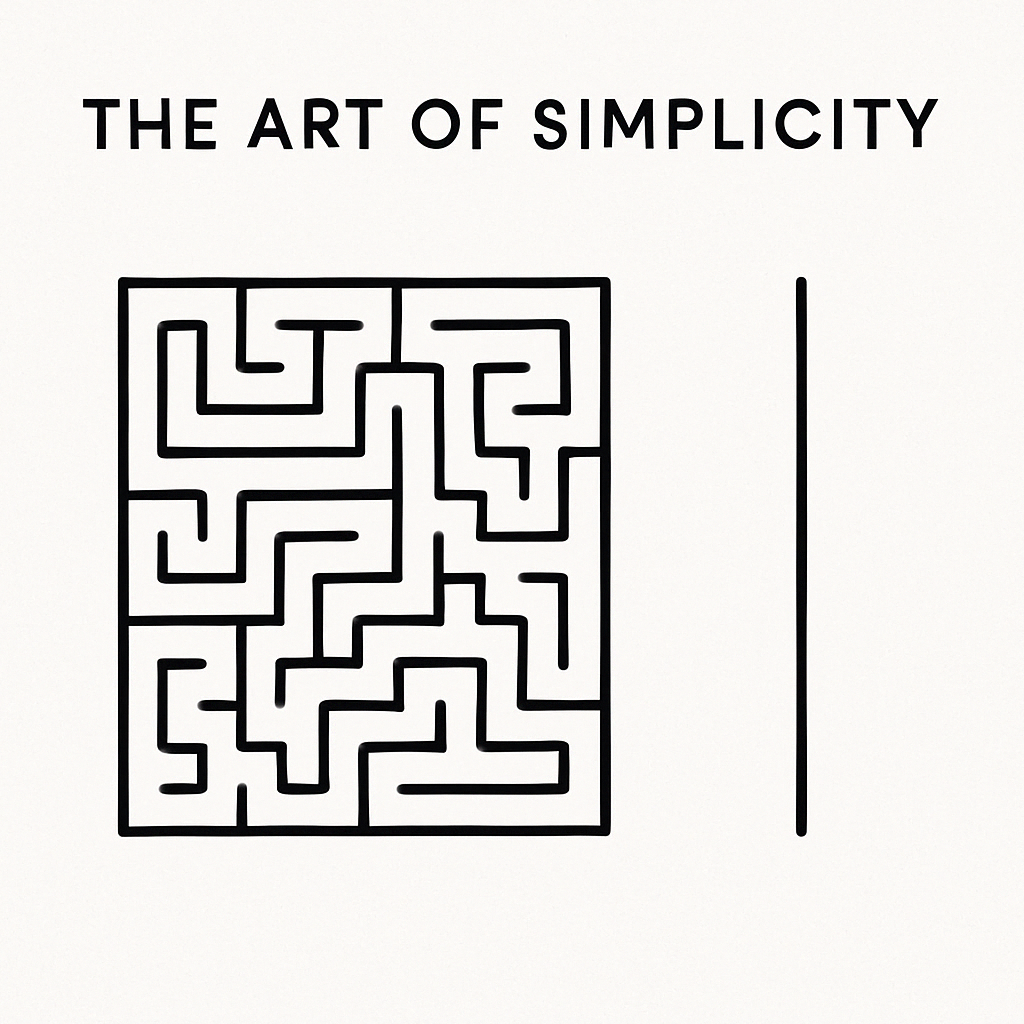
The result? A landscape of isolated “information islands,” where no single source of truth exists.
That’s the paradox of the digital age: organizations are rich in data, but poor in insight.
And without insight, there’s no informed decision-making — only reaction.
Building a true data infrastructure requires more than software.
It demands a culture of connection, transparency, and shared access across every level of the organization.
The New Infrastructure Is Not Just Technical
The challenge today isn’t just collecting data — it’s turning it into trust.
Each time one system communicates with another, each time a record is validated and traceable, the organization strengthens its integrity of information.
That integrity becomes the new foundation for collaboration — internally and externally, with citizens, partners, and regulators.
Just as physical networks need pipes, valves, and filters, a data infrastructure needs standards, APIs, and trust mechanisms to ensure consistency and reliability.
From ERP Systems to Data Infrastructure
ERP systems and digital platforms revolutionized how organizations manage their operations.
But now, the expectation goes beyond simply recording actions — it’s about monitoring them in real time, analyzing patterns, and predicting what’s next.
A true data infrastructure means that every part of an organization both produces and consumes data in a common, structured way.
Information flows become transparent, and systems begin to learn, not just operate.
The Leadership of Tomorrow
The organizations that will thrive in the next decade will be those that treat data not as a byproduct of operations but as strategic capital.
They will build internal ecosystems capable of tracking, verifying, and analyzing information — creating a digital backbone that supports smarter, faster decisions.
This applies equally to public authorities, municipalities, utilities, and private enterprises.
The data era isn’t coming — it’s already here.
The real question is: is your organization ready to sustain it?