For years, businesses treated automation as a technical upgrade — a luxury for those with time and budget.
Today, that mindset no longer works.
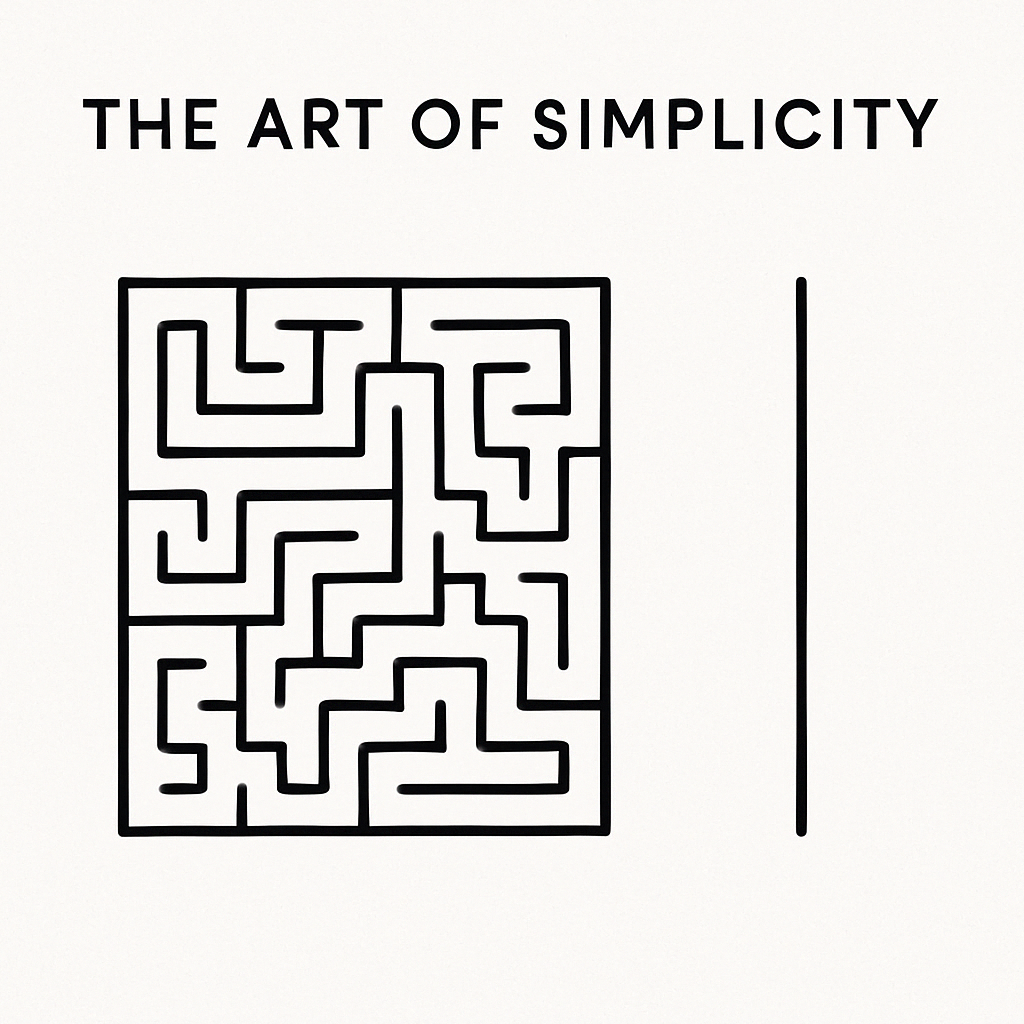
Automation-first isn’t a toolset — it’s a way of thinking.
It’s how an organization aligns its data, people, and systems to work smarter, not just faster.
1. From Manual to Intentional
Automation doesn’t replace people; it replaces repetition.
It allows humans to focus on thinking, creating, and improving — not repeating the same routine tasks.
When every process begins with the question, “how can this be automated?”, the organization moves from manual to intentional.
2. Automation-first Is Architecture, Not Software
Automation is often seen as a tool problem.
In reality, it’s a design principle.
An automation-first environment means:
- accessible, clean data,
- systems that communicate seamlessly (APIs, webhooks, connectors),
- and workflows built with integration in mind.
When architecture is right, automation is effortless.
3. The Real Value: Consistency, Not Speed
Automation isn’t about doing things faster; it’s about doing them reliably.
Consistency creates trust, reduces human error, and strengthens your organization’s foundation.
Speed is the byproduct — reliability is the real win.
4. From Efficiency to Evolution
Automation-first organizations don’t just operate efficiently — they evolve.
Every automated process becomes a learning mechanism, capturing data, identifying patterns, and improving itself over time.
That’s how companies build digital memory — and long-term resilience.
5. Redefining the Human Role
The more automation we introduce, the more human insight matters.
People become system designers, not task executors.
Automation doesn’t reduce human value — it amplifies it.
In Closing
Businesses that treat automation as a cost will always chase efficiency.
Those that see it as a design mindset will build the future.
Automation-first isn’t a toolset — it’s a philosophy.