
Greece as a Tourism Paradox
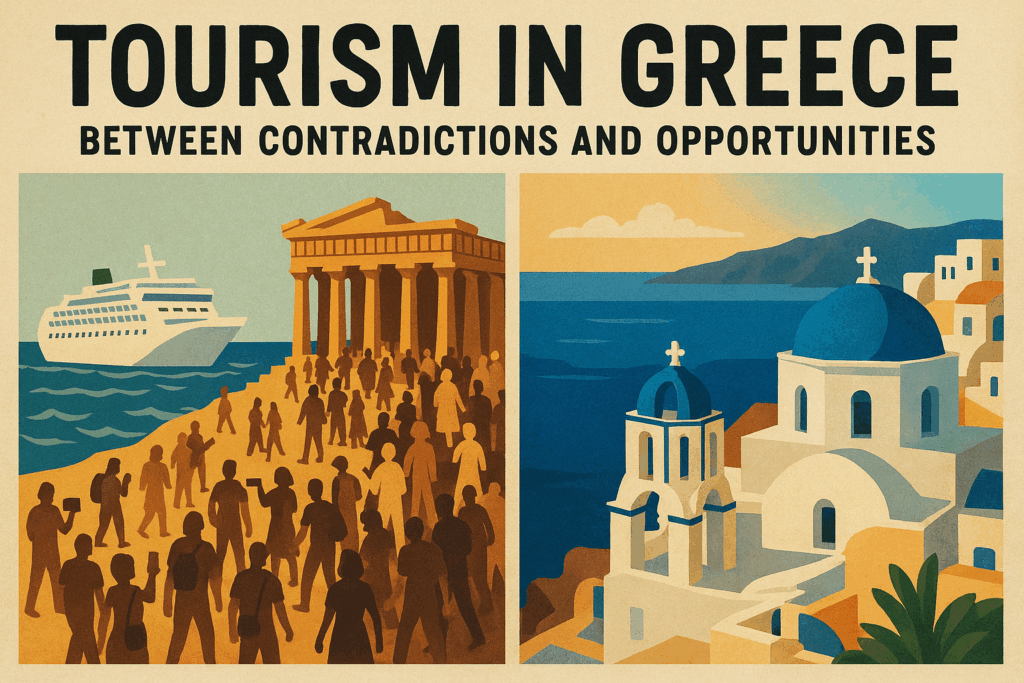
Greece is one of the world’s top tourist destinations.
Every year, millions of people arrive to experience what should feel natural to those who live here:
The sea.
The sun.
The feeling of summer.
And yet, for an increasing number of Greeks, this is no longer accessible.
The Problem of Access
In recent years, the cost of holidays in Greece has risen significantly, far beyond what average income levels can sustain.
According to Hellenic Statistical Authority and Eurostat, a large percentage of Greeks report that they cannot afford even one week of vacation per year.
This is not just an economic issue.
It is a social signal.
Because tourism is not only about revenue.
It is about access.
A Two-Speed Tourism Reality
Can a country be a top destination for the world,
yet inaccessible to its own people?
In countries like Thailand and Indonesia, a two-speed system has emerged:
Visitors experience.
Locals serve.
The Role of Domestic Tourism
In contrast, countries such as Spain and France treat domestic tourism as a core pillar.
They implement:
- resident pricing policies
- incentive programs
- seasonality balancing strategies
Because domestic tourism is not secondary.
It is balance.
From Market to Data Structure
Until recently, this imbalance was difficult to address.
Markets operated with static models.
Pricing was predefined.
Information was fragmented.
Today, everything has changed.
We are no longer dealing with a demand-only market.
We are dealing with a data system.
Technology as a Balancing Mechanism
With tools such as:
- predictive modeling
- dynamic pricing
- real-time availability
- and Artificial Intelligence
we can now transform uncertainty into opportunity.
What Is Truly at Stake
This is where a new approach emerges.
Not as another booking platform.
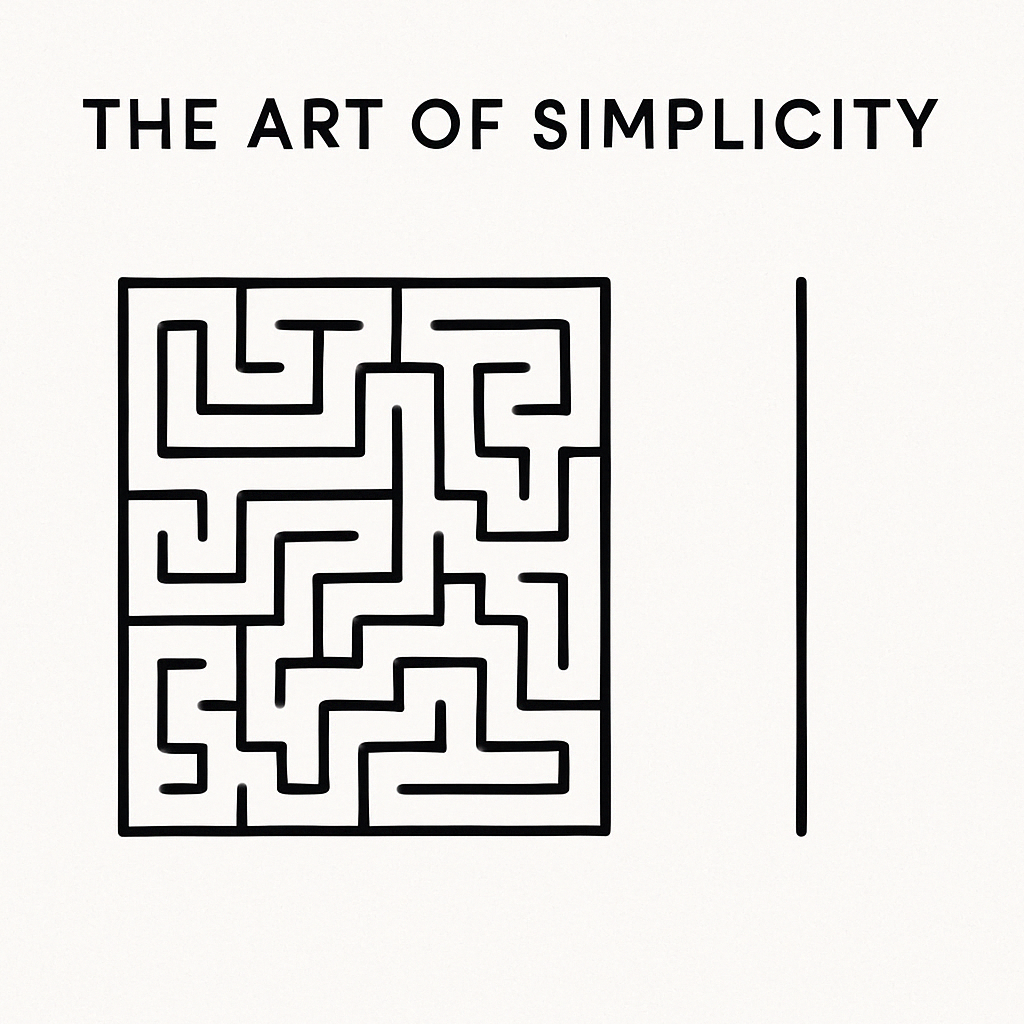
But as a balancing system.
One that activates unused capacity and transforms it into access.
In the end, the question is not technological.
It is human:
Do we want countries that sell experiences?
Or countries that allow people to live them?
Technology can do both.
The real question is what we choose to build.